
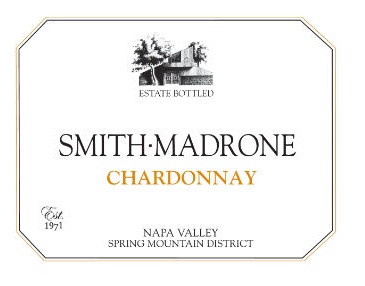
Chardonnay – Spring Mountain
$1.00
| Country | USA |
|---|---|
| Region | California |
| Producer | Smith-Madrone |
| Size | 750mL |
| Style | White |
| Practices | Sustainable |
| Grapes | Chardonnay |
| Other Features | Vegan |
100% Chardonnay from 40+ year old vines, coming from dry-farmed estate vineyards surrounding the winery on top of Spring Mountain in the Napa Valley. The soils are mostly deep-red Aiken Stoney Clay loam, part of the Aiken, Kidd, Forward complex of soils which are volcanic-based, well-drained and deep.
The juice is 100% barrel fermented, aged for 9 months in 55% new French oak. The aromas are expansive and penetrating. Oak and citrus and toast and nuttiness are all beginning to knit together into an aromatically expressive whole. The minerality and Meyer lemon top notes are a strong hint of what’s to come. On the palate, the wine is an impressive mouthful. It is opulent and creamy, yet laced with an enlivening acid that seamlessly leads to a crisp refreshing finish. 14.5% alcohol. 945 cases produced.
About the Producer
"All you need to know about Smith-Madrone is that it’s best known for its riesling. Nobody in Napa Valley is best known for its riesling, but there you have Smith-Madrone." – Eric Asimov, The New York Times
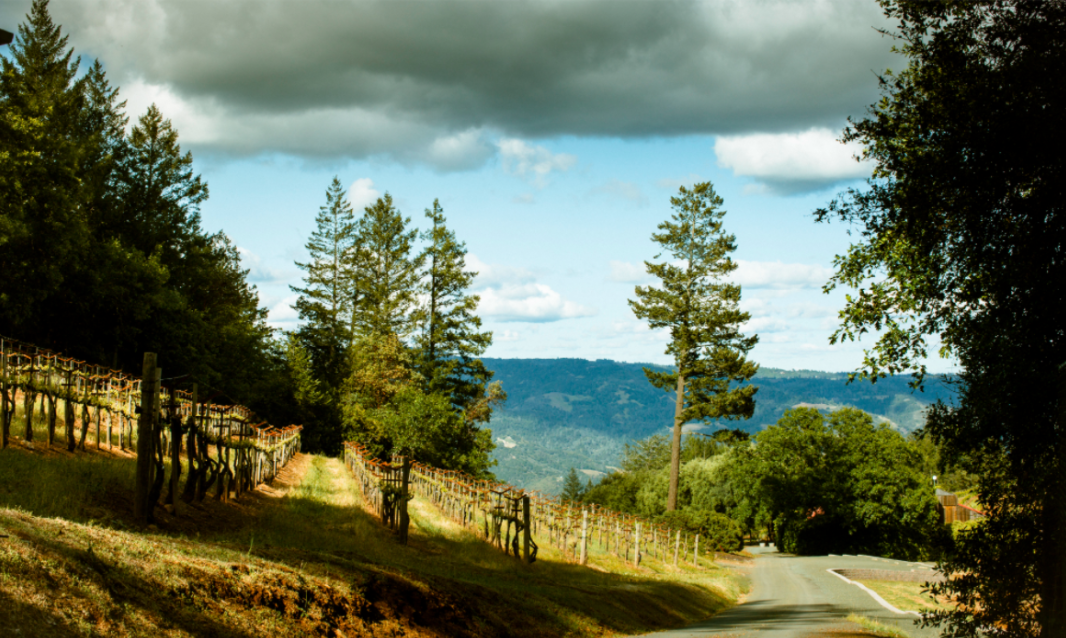
Smith-Madrone is a family-run estate-bottled winery dedicated to producing fine wines exclusively from its own vineyards. In 1971, 200 acres were purchased high atop Spring Mountain, west of St. Helena, in the Napa Valley. One of most beautiful appellations of the Napa Valley, the Spring Mountain District was recognized by the B.A.T.F. in May of 1993. Charles and Stu built the winery by hand, using stones and lumber from the property. A cellar and the main floor house French and American barrels. The roof of the building is used for entertaining. It has stunning 360-degree views of the floor of the Napa Valley and the Sierra Nevada Mountains in the distance, as well as of Smith-Madrone's own steep dry-farmed vineyards. Another striking historical and visual note is the dramatic corridor of 22 Picholine olive trees which descend the slope below the winery into the vineyards. More than a hundred and twenty years old, these trees were carefully preserved when the vineyards were re-planted. Their huge proportions (some stretch as tall as 35 feet) are a testament to their struggle for precious mountain sunlight.
Smith-Madrone is located at elevations between 1,300 and 1,900 feet; the vineyards straddle slopes of up to 35%. The vines flourish in vividly red and rocky volcanic soil known as Aiken loam, which is well-drained and friable. In exploring the property before purchasing it, Stuart Smith discovered old grape stakes interspersed with the tall trees, evidence of a vineyard planted in the 1880s and abandoned with the onset of Prohibition. Douglas fir, oak, redwood and madrone trees were cleared, and the vineyards planted. The year 1972 marked the beginning of the vineyard itself with the planting of Chardonnay, Riesling, Cabernet Sauvignon and Pinot Noir (the last grafted to Chardonnay in 1989). Unusual for North Coast viticulture at the time, the initial twenty acres were planted on their own roots. The cooler mountain climate is an additional factor which produces grapes of intense flavor, structure and longevity. Today the vineyard consists of 38 acres in various stages of production dating back to 1972. In addition to the 9 acres of Riesling, 7.5 acres of Chardonnay and 15 acres of Cabernet Sauvignon, the vineyard now has 2.5 acres of Cabernet Franc and 3.75 acres of Merlot.
Stuart Smith chose specific slopes with different exposures for specific varietals: eastern exposure for the Riesling, southern and western exposures across flat stretches for the Cabernet Sauvignon; the coolest north-facing slopes for the Chardonnay. The history of international viticulture also supported his early belief in the potential of these mountain grapes which would have to "struggle" to produce. Drip irrigation was used to establish the vineyard but today it is mostly dry-farmed. The vines send their roots deep to search for water and nutrients, only producing the precise amount of fruit exactly appropriate for their vigor, small berries with a large skin-to- juice ratio.
The name for the winery has two sources: as a tribute to the Smiths who pursued their dream and to the Madrone trees which distinguish the property. "It sounds better than Smith-Douglas Fir, Smith-Manzanita, Smith-Oak and certainly Smith-Poison Oak. The Madrone was a predominant tree on the property when we began," Stuart Smith explains. "We had so much physically and emotionally invested in the development of the vineyard and the winery that we selfishly wanted our name on it. Smith is not exactly a grand Mediterranean wine name, and certainly we couldn't call it just "Smith Winery." Somehow Smith Madrone had a nice ring to it..." He continued that the personality of the Madrone figures into this as well: "The Madrone tree never stands out, alone, in the forest; it's always clustered for shade and protection with others."
Since the first vintage in 1977, winemaking practices have been a blend of the traditional methods of France and Germany coupled with new techniques developed in California. Such winemaking processes as barrel fermentation, sur lie aging and open top fermentations require substantial amounts of hand labor but are essential to the production of wines of great quality. Less than 4,000 cases of wine are released each year, similar to Europe’s small estate wineries.
Smith-Madrone's goal is to make artisanal wines which are distinctive and are an expression of both the vintage and the vintners, but above all else, are wines which bring pleasure to the senses. Every year their wine is made from the same estate vineyards, pruned by the same people in the same way, cultivated in exactly the same manner and harvested at similar levels of maturity, yet Mother Nature stamps each vintage with a unique set of flavors, senses and character.
Farming/vinification practices: sustainable. The wines are vegan
Smith-Madrone
a taste of timelessness - The San Francisco Chronicle, August 1 2019
Spring Mountain District Association - Historical Podcast / June 17, 2019
Smith-Madrone in Stuart Pigott's Global Riesling Blog
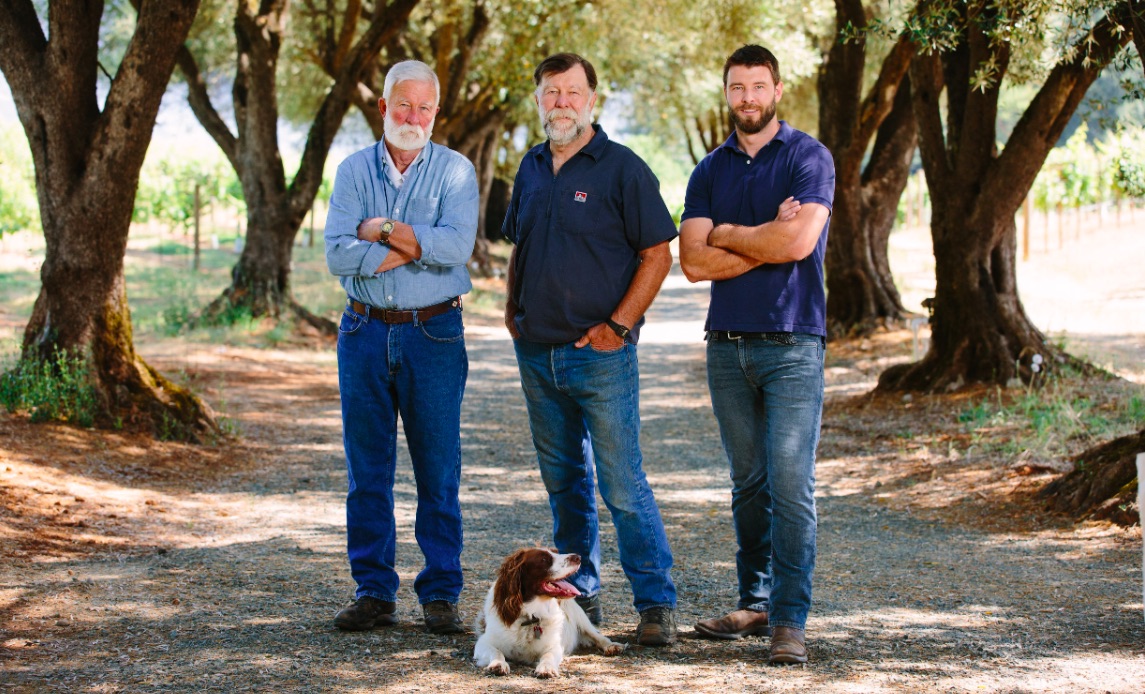 Charles, Stu and Sam Smith - photo credit: Meg Smith
related products
-
 Smith-Madrone
Riesling – Spring Mountain
-
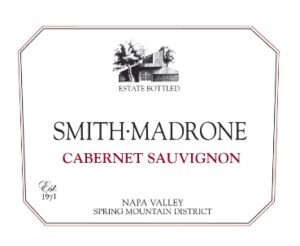 Smith-Madrone
Cabernet Sauvignon – Spring Mountain
-
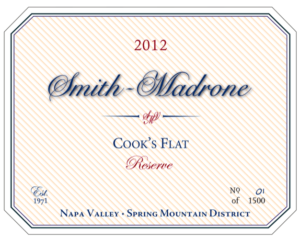 Smith-Madrone
Cook’s Flat Reserve